Our Culture
Grand Bahama Island’s Vibrant Culture
There are many components that make up the wonderful, colourful culture found on Grand Bahama Island, such as music, Junkanoo, language, art, and above all, the people. The Islands of The Bahamas, with their rich and often conflicted history, have developed a unique culture that blends the traditions and beliefs of the many groups that have lived here. Today, Grand Bahamians are most known for their value for entrepreneurship and their love of the outdoors, especially the sea. Discover more about Grand Bahama Island’s culture.
Rake ‘N’ Scrape music
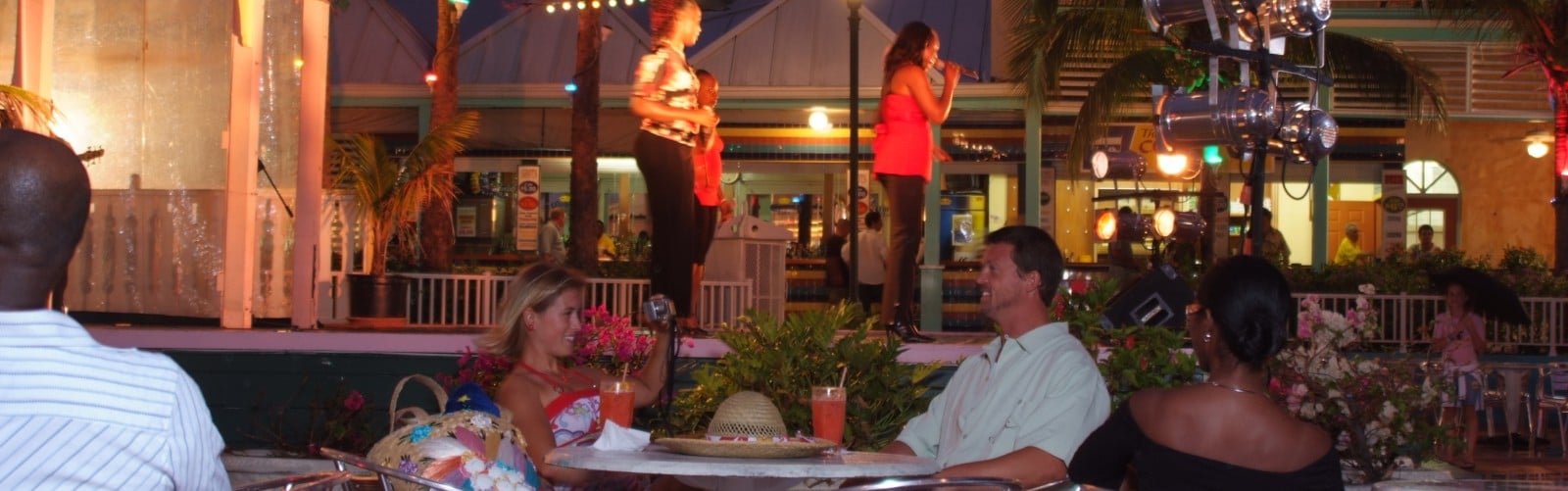
Following a visit to Cat Island and a special radio broadcast session, Charles Carter brought much attention to the native sounds of Rake ‘N Scrape music. The island music is highlighted by the pounding of goombay goatskin drums, the scraping of carpenter saws and the melodious voice of the accordion. Rake ‘N Scrape was created when slaves needed to recreate instruments with whatever indigenous materials were available to them. Traditionally, Rake ‘N Scrape was used to accompany the Bahama Quadrille and heel-and-toe polka, but the scraping sounds can now be heard in various Bahamian cultural festivals, events and venues.
Junkanoo Festival
Junkanoo is the most distinguished cultural event in the Islands of the Bahamas. During the slavery era, slaves were given three days off. Those days were celebrated in a parade of music and dance: the Junkanoo Festival. Now, the vibrant cultural festival can be seen and heard through the streets of Freeport twice yearly, December 26th and January 1st. For those who don’t get a chance to witness firsthand the outstanding display of this Bahamian tradition, Junkanoo music can be heard echoing through various Grand Bahama locations at all times of year. Enjoy the music fusion of goatskin drums, cowbells, conch shell horns and whistles while sipping your Bahama Mama!
Art Galleries
Bahamian culture can be seen and experienced at various art galleries on the island. You can get a glimpse at life on Grand Bahama Island through Leo Brown’s paintings in Port Lucaya Marketplace or discover beautiful art and hand-crafted jewelry at The Gallery surrounded by nature’s own canvas at the Garden of the Groves.
- Leo’s Art Gallery – Port Lucaya Marketplace
- The Gallery – Garden of the Groves
- Grand Bahama Artists Association
Arts and Crafts
Explore the beautiful glass sculptures, woodcarvings, ceramics and other authentic Bahamian crafts. The native art gallery, Bahamian Tings, carries a wonderful selection of authentic handcrafted items such as Abaco ceramics and woodwork. Head to the Glass Blower Shop and marvel at Sidney Pratt’s amazing talent as he creates unique sculptures out of glass.
- Bahamian Tings – Freeport, Grand Bahama Island
- Hoyte’s Art & Nature – Port Lucaya Marketplace
- Island Galleria – Port Lucaya Marketplace
Straw Markets
The beauty of Bahamian art and culture is woven tightly in the ancient art form of straw plaiting. Straw work also represents a big part of Bahamian heritage. Back in the year 1720, The Bahamas’ 15th colonial governor’s wife, Penelope Phenney, created a market for Bahamian straw products. During that time, hats, baskets and other items were sold and so began a thriving industry for Bahamian women. Hand-made items including straw hats and bags can be found at the local straw markets at Port Lucaya Marketplace and Taino Beach.
Grand Bahamians, Our People
If you’ve done some international traveling or met foreigners in your hometown, you’ve probably discovered that almost everyone enjoys good food, laughter, and love. Grand Bahamians do too! If you are contemplating a trip to the Grand Bahama Island and wondering if the locals are friendly, don’t worry – you’ll soon realize that they are probably among the most easygoing people on Earth.
Many of the current residents on Grand Bahama Island were not born here. Locals are mostly descendants of West African slaves that were captured in their native land and shipped to the Americas to work on cotton plantations during the 1600s and 1700s. Many white Bahamians trace their ancestry back to the Puritans of the 1600s, who emigrated from England to escape religious persecution. After the American Revolution, many Loyalists from the American colonies also immigrated to The Bahamas.
Today’s rich Bahamian culture draws upon the many tribes and groups that first lived on the Grand Bahama Island in its early years, but also incorporates various European and West African cultural influences.
Interested in knowing more? One of the best ways to learn about Grand Bahamians and the culture of the island is through the People-to-People Program, which brings together visitors and residents of similar professions, hobbies, etc. to create special memories that will last a lifetime.
To participate in the People-to-People program during your visit to Grand Bahama Island, contact the Grand Bahama Island Tourism Board:
People-to-People Program
PO Box F-40251
Freeport, Grand Bahama Island
Phone: (242) 350-8600
Fax: (242) 352-2714
Email: [email protected]
CHURCHES
Grand Bahama’s Christian principles are built on a solid foundation. The island maintains a rich cultural heritage, and churches play an active role in the Bahamian community. With a variety of denominations, you can join a Sunday Morning Mass and share your faith with local Bahamians. See church listings Geograhpia Church listing
Language
The official language of The Bahamas is English. Common speech is more British than English, however, there are some noticeable West Indies influences as well. There is no language barrier between the English-speaking world and Bahamians, however when listening to locals speak amongst each other, you will certainly hear plenty of Slang words tossed around, many of which you might not yet be familiar with. Bahamian dialect definitely makes for a very colorful and interesting sound.